

Ride-hailing has become part of everyday movement across the UAE, supporting journeys to offices, airports, shopping destinations and public transport hubs. Dubai’s Roads and Transport Authority reported that public transport, shared mobility and taxis served 802.1 million riders in 2025, showing the scale of demand for connected urban transport. That scale has raised passenger expectations, and they judge a ride before the vehicle arrives. Yango Ride, the ride-hailing service and part of global tech company Yango Group, identifies the five key expectations that influence ride-booking decisions across the UAE.
Reliability and convenience when time is limited
A ride is useful when it arrives predictably and supports an efficient journey. Passengers heading to work, catching a flight or connecting with public transport need accurate arrival estimates and routes that respond to changing road conditions. Yango Ride uses AI to process road layouts, traffic patterns and predicted congestion, helping calculate efficient routes and improve estimates as more trips are completed. The technology also supports smarter order distribution, which can reduce the distance drivers travel without passengers and improve vehicle availability. In 2025, Yango’s AI-powered routing technology saved users more than five million hours across over 20 cities, 34,000 hours in Dubai and Abu Dhabi collectively. Small gains across frequent journeys can return valuable time to commuters while reducing unnecessary driving and delays.

Car options that reflect different journeys
The UAE’s diverse population brings equally varied transport needs, shaped by family size, daily routines and personal preferences. A parent travelling with a young child may look for an appropriate car seat, while larger families or airport passengers may need more room for people and luggage. Environmental considerations are also influencing everyday choices, with some residents preferring hybrid or electric vehicles where available. Ride-hailing services can respond by offering clear car type options that help passengers choose according to the purpose of each journey. Yango Ride supports this through services such as its Kids category, which includes a child safety seat, while electric and hybrid vehicles account for 84% of its partner fleet in Dubai.
Transparent pricing with no unexpected changes
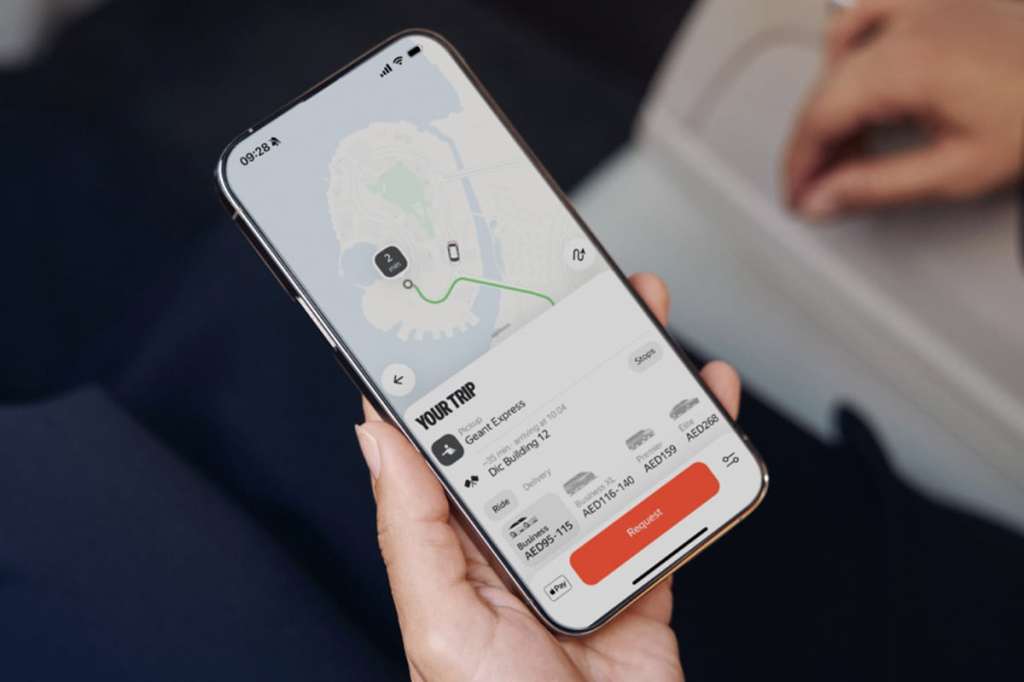
Price remains central to the booking decision, particularly for residents who use ride-hailing several times each week. Passengers want to see an expected fare before confirming and understand any factors that could affect the final amount. Clear pricing helps people compare available options and select a ride category that suits their budget. Transparency should continue after booking, especially when passengers add a stop or change their destination. A clear digital record of the journey and payment also makes expense tracking easier for personal and business travel.
A smooth customer experience from booking to arrival
Residents expect the app experience to reduce effort at every stage. The pick-up point should be easy to confirm, the driver’s arrival should be visible, and communication should remain straightforward. Payment and trip records should also be available without requiring additional steps after arrival. A well-designed service anticipates common difficulties, such as locating a driver in a crowded mall entrance or arranging transport for another person. Useful options may also include advance scheduling or adding an intermediate stop without restarting the booking. When each stage connects clearly, the passenger spends less time managing the booking and more time focusing on the journey.
Service that understands local needs
The UAE combines different emirates, transport systems and daily travel patterns within one highly connected market. A useful ride-hailing service must respond to local regulations and established transport networks instead of applying the same model everywhere. Yango Ride works with local transportation providers and adapts its technology to each market’s operating environment. This also includes recognising airport travel patterns, peak commuting periods and the expectations attached to different ride categories. This approach can support suitable ride options, stronger integration with existing taxi services and booking features that reflect local routines. Residents ultimately value a service that feels familiar, dependable and designed around the cities where they live.

