

A National Genomics Study Advances Early Detection and Prevention of Vision Loss
A study issued by M42 in partnership with the Department of Health – Abu Dhabi demonstrates how genomics enables prevention of vision loss and advances early detection of inherited eye diseases.
Abu Dhabi, April 21 2026: In alignment with Abu Dhabi’s vision to advance a preventive, data-driven healthcare ecosystem grounded in advanced science, M42, a global health leader powered by artificial intelligence (AI), technology and genomics, has announced the results of a national study conducted in partnership with the Department of Health – Abu Dhabi, highlighting the pivotal role of genomics in enhancing early detection and prevention of inherited eye diseases at the community level. The study identified around 100 genetic causes of inherited vision loss across the Emirati population, marking a significant step in deepening the understanding of genetic risks related to vision health and supporting the shift towards more precise and effective early interventions.
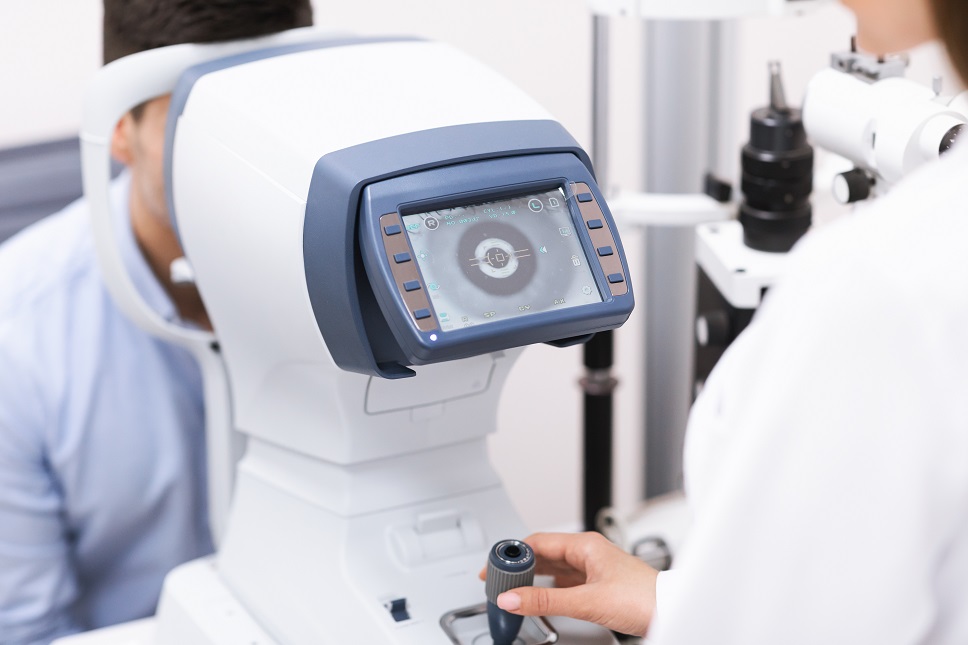
The study was based on the analysis of genomic data from more than 500,000 Emirati citizens participating in the Emirati Genome Programme, implemented under the supervision of the Emirates Genome Council in collaboration with national partners, providing a large-scale knowledge base that helps guide preventive, population-level care.
This achievement reflects the ongoing transformation of Abu Dhabi’s healthcare ecosystem towards preventive and predictive care models focused on improving long-term quality of life. By securely linking genetic information with anonymised health records through Malaffi, the health information exchange platform, researchers were able to translate scientific discoveries into actionable insights that support medical decision-making and system-level health planning. This innovative approach enables healthcare professionals to identify high-risk individuals before symptoms appear, supporting early monitoring, genetic counselling, and the design of more personalised care pathways. The study also demonstrates how large-scale population genomics can complement traditional clinical research and support the shift from reactive treatment to proactive prevention.
H.E. Dr. Noura Al Ghaithi, Undersecretary of the Department of Health – Abu Dhabi, said: “This study reflects Abu Dhabi’s commitment to harnessing advanced science and health data to accelerate the shift towards a more preventive and proactive model of care. By integrating genomics into the healthcare ecosystem, we are strengthening early detection, enabling preventive interventions, and advancing evidence-based health policies that protect community health and improve quality of life over the long term.”
Dimitris Moulavasilis, Group Chief Executive Officer, M42, added: “This research demonstrates the scale of what’s possible when genomics is paired with real-world health data. Through the Emirati Genome Programme, we are unlocking deep insights that support early prevention and contribute to developing more precise and sustainable care at the community level.”
The study also highlighted the role of specific genes, including ABCA4, associated with inherited retinal diseases such as Stargardt disease, a rare genetic disorder that affects the retina and leads to progressive loss of central vision, often beginning in childhood or adolescence. Population-level analysis enabled differentiation between individual clinical patterns and broader trends, opening new pathways for early diagnosis and preventive care.
Additionally, the study identified a rare but treatable genetic condition associated with early-onset visual impairment, showing how population-scale genomics can support earlier diagnosis and more targeted care. The findings also show that a higher frequency of a genetic variant within a population does not necessarily equate to increased disease risk.
As part of the Emirati Genome Programme, and recognized as one of the world’s largest national genomic sequencing initiatives — having sequenced more than 850,000 genomes to date — this study reflects Abu Dhabi’s commitment to harnessing advanced science to build a preventive and sustainable health system, and to reinforce the Emirate’s position as a leading global model in health innovation, improving quality of life for generations to come.
To access the study, click here: [link]
-Ends-
About M42
M42 is a global health champion powered by artificial intelligence (AI), technology and genomics to advance innovation in health for people and the planet. Headquartered in Abu Dhabi, M42 combines its specialized, state-of-the-art facilities with integrated health solutions like genomics and biobanks, and harnesses advanced technologies to deliver precise, preventive and predictive care, to impactfully disrupt traditional healthcare models and positively impact lives globally.
Established in 2023, following the coming together of G42 Healthcare and Mubadala Health, M42 has more than 480 facilities in 26 countries and over 20,000 employees. M42 includes renowned healthcare providers, including Cleveland Clinic Abu Dhabi, Danat Al Emarat, Diaverum, Imperial College London Diabetes Centre, Sheikh Sultan bin Zayed Hospital, and Moorfields Eye Hospital Abu Dhabi. As well as operating the Emirati Genome Programme, M42 runs Abu Dhabi BioBank and Abu Dhabi Health Data Services (ADHDS), a global tech-enabled healthcare company operating Malaffi.
For media inquiries or interview opportunities, please contact:
Mazar Masud
Senior Director, Global Corporate Communications, M42
M: +971 52 593 5926
Asala Fadda
Senior Manager, Marketing & Communications, M42
M: +971 509555076
 Arab News 24/7